
From Prototype to Production: An Expert's Guide to PCBA in Shenzhen
Manufacturing hardware in China, especially PCBA (Printed Circuit Board Assembly), can be highly challenging for both startups and established companies.
Designers face pitfalls, and supply chains can be complex. We spoke with Isabella, a Shenzhen PCBA expert with ten years of experience, to get her direct perspective on hardware manufacturing in China. She offers practical advice and highlights common mistakes for overseas entrepreneurs aiming for successful production.
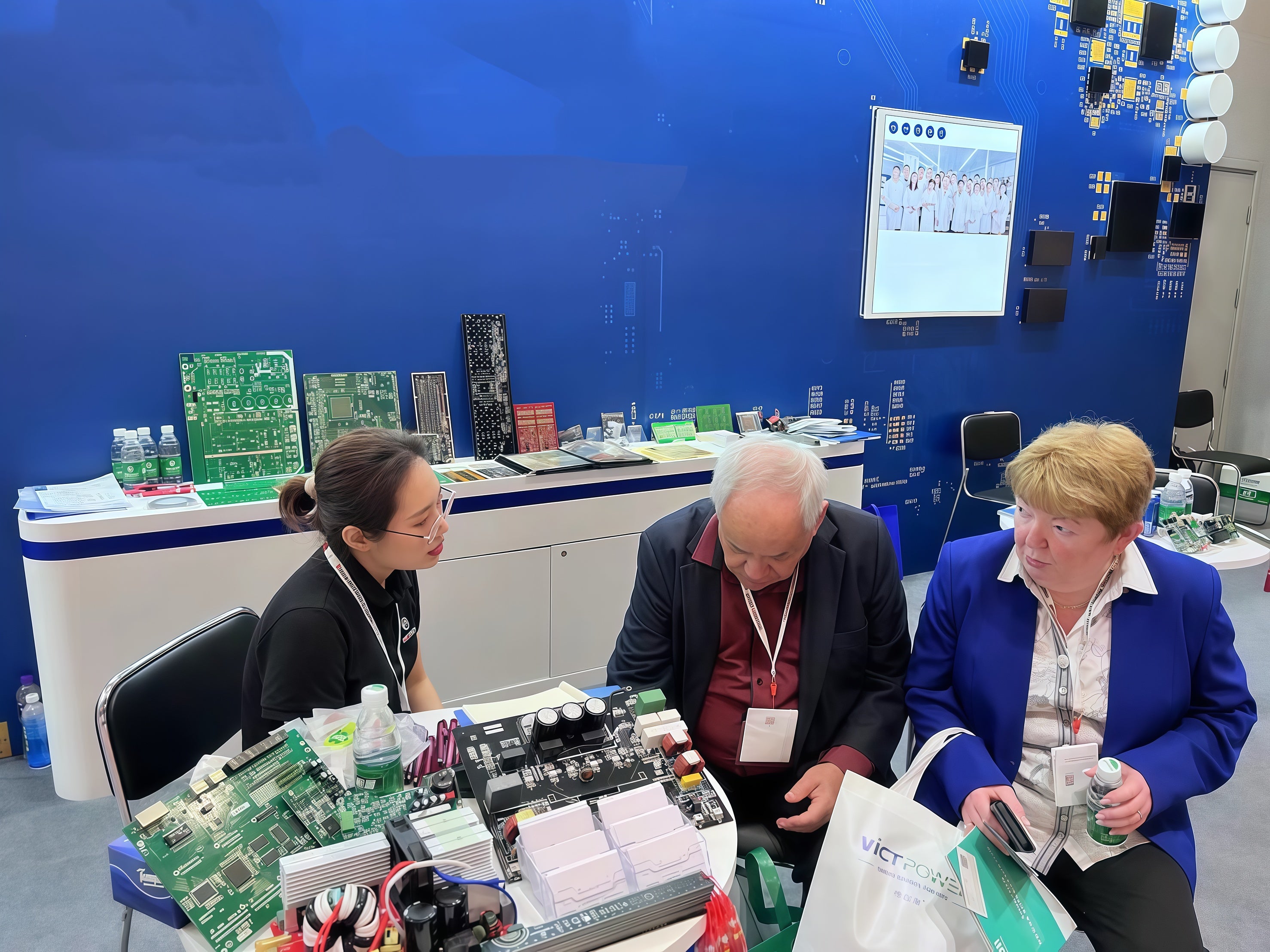
Q1: You originally studied English and had no engineering background. How did you gradually enter the PCBA industry, and what were the biggest challenges in your early years?
A: I got into this industry by chance. My first company was tiny, just two or three people, and I knew very little about PCBA. I stayed for seven years, learning more with each client and project. The biggest challenge early on was the company's small size. We lacked strong quality management, which often meant losing clients. This reflected a common "makeshift" approach among smaller Chinese suppliers. Of course, not all client loss was due to poor quality; sometimes projects failed due to market factors. Small companies also struggled to secure stable projects. In this business, trust between clients and suppliers takes a long time to build.
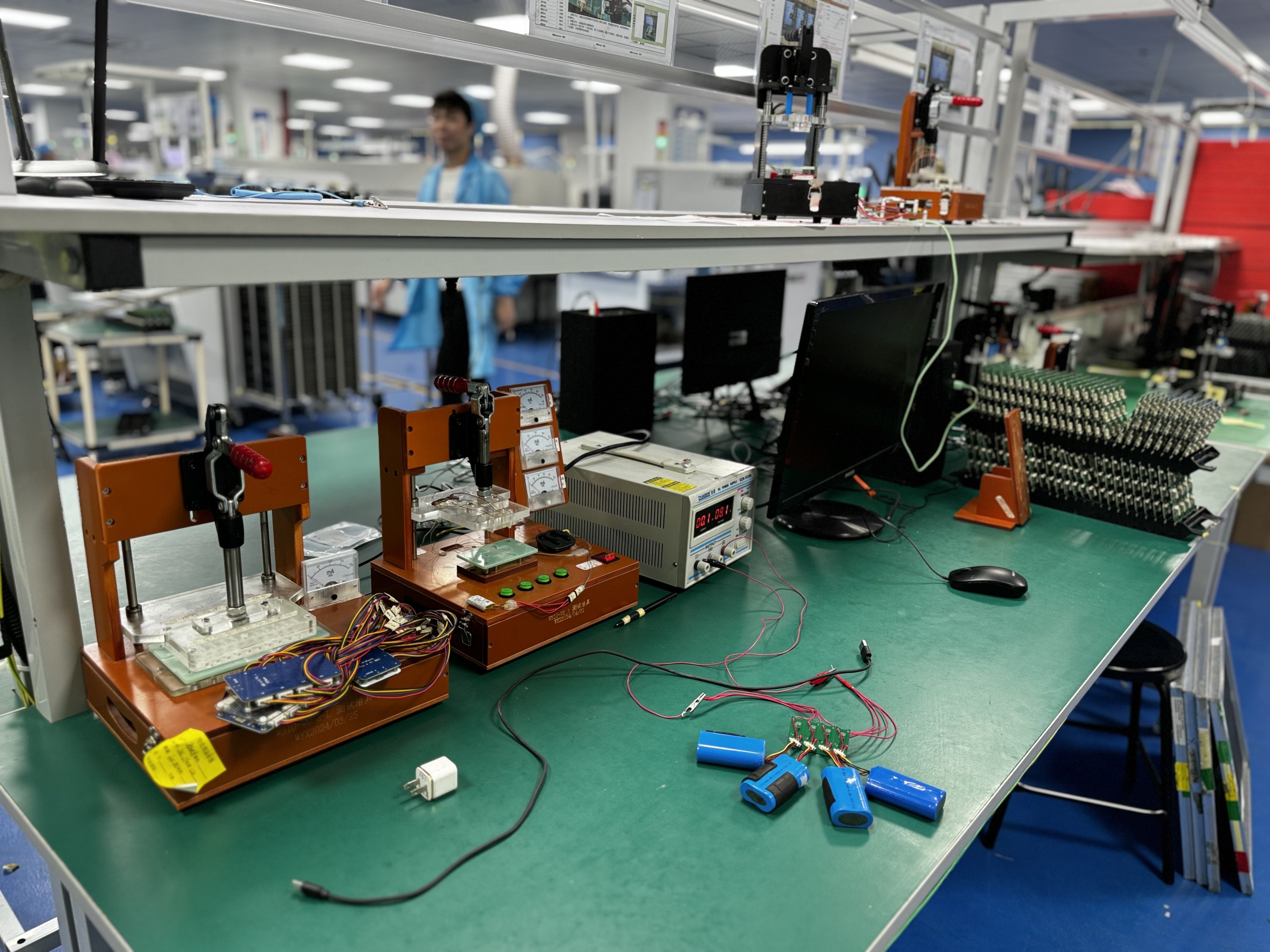
Q2: You spent 7 years at a trading company specializing in OEM/ODM. Why did you decide to start your own business instead of seeking advancement and stability within the trading company?
A: My previous company focused on large clients, optimizing its supply chain to meet their demands. This meant smaller businesses often didn't get the service they needed. I believe this industry grows best when you grow with your clients. Salespeople, often driven by KPIs, can't always understand a client's real anxieties. Over ten years, I saw a gap between supply chain capabilities and client needs. The industry requires patient people who research and solve problems effectively in client interactions. I fit that profile, so I started Zero Mistake Solutions.
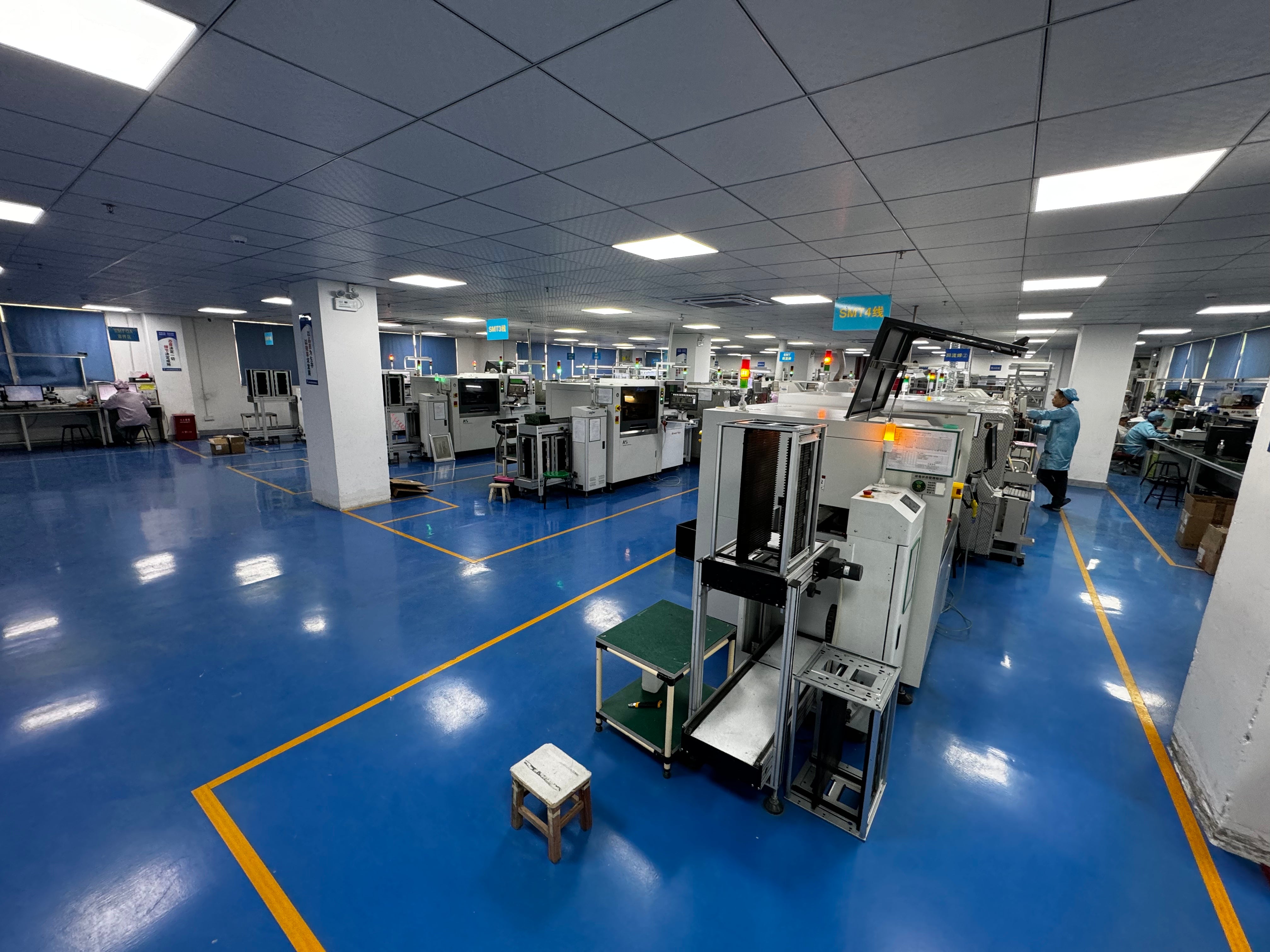
Q3: The name "Zero Mistake Solutions" reflects your understanding of this industry. What is it?
A: In electronics contract manufacturing, engineering technical capability isn't the core; project management is. But achieving "Zero Mistake" on every order is extremely difficult. This is because of the vast variety of components and non-standardized products, each client's design is unique. From prototyping, mass production, procurement, processing, to quality inspection, every step requires extreme meticulousness. Once a product hits the production line, even a small error can mean an entire batch needs rework. Rework labor costs can easily exceed the client's budget. So, minimizing errors throughout the PCBA contract manufacturing process is critical.

Q4: You've worked with many overseas clients and small teams. What are the most common assumptions they make when doing PCBA for the first time?
A: Many clients tend to think in terms of a one-time, perfect solution. To save costs, they might skip prototype verification and go directly to mass production, only to encounter widespread issues that cost more time, effort, and money to fix. Alternatively, during R&D, they might prematurely outsource production to a factory before debugging issues are fully resolved – an unrealistic expectation.
Q5: In your experience, what are the seemingly small issues in PCBA that often cause various problems once they hit the production line, leading to costly fixes? Where do they typically originate?
A: They usually appear after R&D and before manufacturing, specifically when the DFM (Design for Manufacturability) step is missing.
For instance, the designer's PCB layout files and Bill of Materials (BOM) might not be thoroughly cross-checked, which easily leads to production difficulties. An example is a mismatch in pad sizes between the design files and the BOM. The PCB design might specify a 0402 pad size, but the BOM uses a 0603 package. When components are procured and undergo IQC (Incoming Quality Control), it's discovered that the client made a design error. The client then bears the cost of incorrect materials and the need for re-procurement.
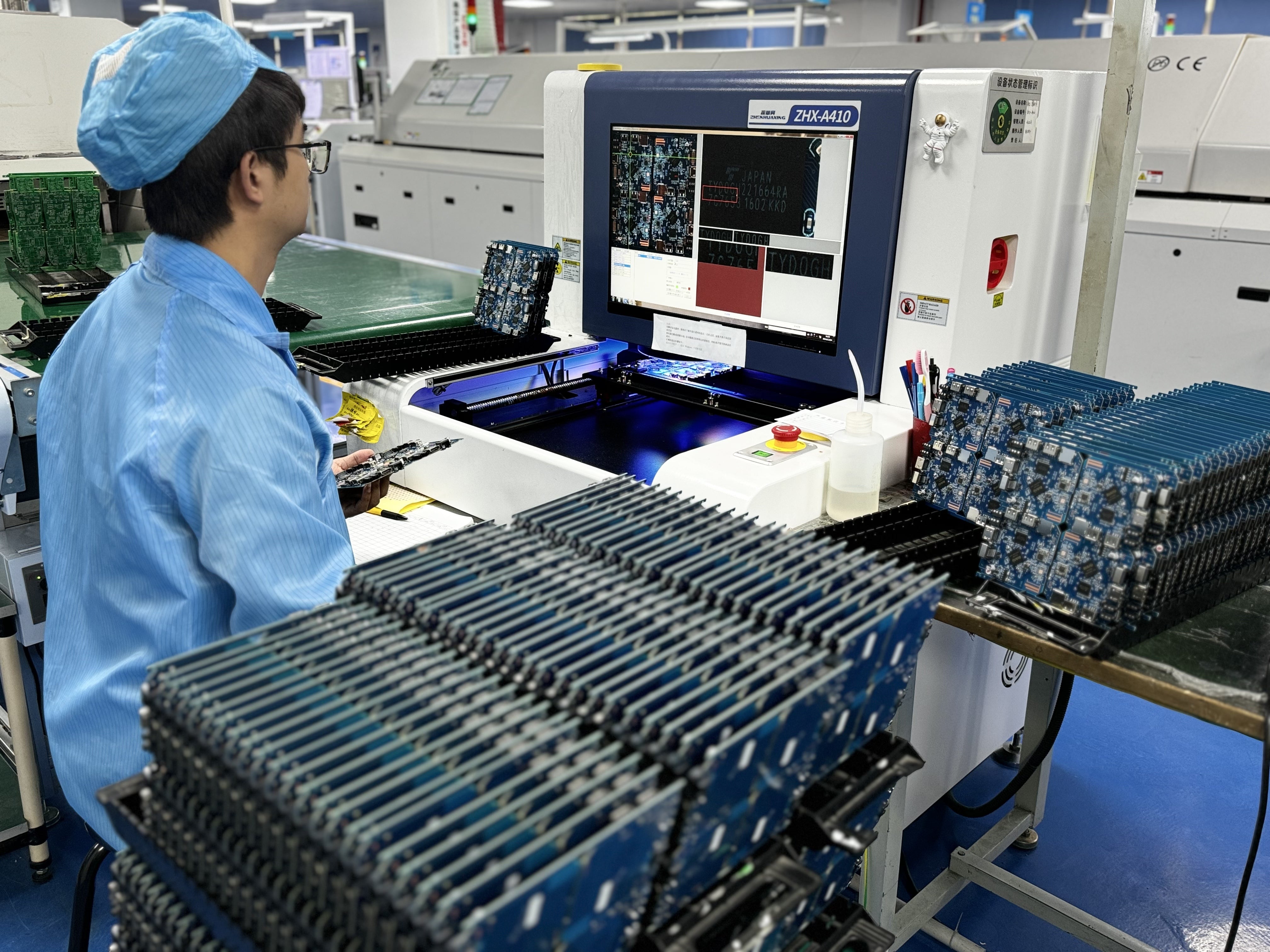
Another example involves component footprints that lack adequate vias for soldering. This could lead to issues during actual production where components cannot be installed. By this time, the entire batch of PCBs might have already been manufactured. Modifying the design at this point would require re-producing the PCBs, or factory personnel would have to resort to manual soldering, increasing labor costs.
Q6: Supply chain management sounds simple to many outsiders, but what are the most difficult parts to coordinate in a real project?
A: The most difficult part to coordinate is risk prevention.
For instance, during component procurement, there are always suppliers offering lower prices. Clients, tempted by these prices, often end up with counterfeit parts. Similarly, clients might believe working directly with a factory cuts costs, but this can often create more problems than it solves. Even for us Chinese, we frequently deal with counterfeit goods, uncooperative suppliers, arbitrary price changes, delivery delays, and a lack of proactive problem-solving. For overseas clients, these issues are even harder to manage. With our experience serving overseas clients, we address many of these problems that local Chinese suppliers often struggle to resolve.
Q7: Having dealt with factories for many years, what are the most common communication and project progression issues you encounter, and how do you typically handle them?
A: Factory engineers and workers often think linearly: "The client says, so I do." They rarely proactively question illogical problems or reconfirm with the client before proceeding.
Before any order execution, we confirm all details with the client as clearly as possible, regardless of complexity. We list requirements and notes in production documents as thoroughly as possible. Before production starts, we meet with factory personnel to ensure they fully understand our requirements. During mass production, even if the client approved prototypes earlier, we still provide first article samples for functional verification and quality checks. At this point, the factory has all jigs ready, and the client receives samples from the actual mass production batch. If issues arise with these samples, the client can request factory corrections. This approach typically ensures subsequent mass production runs smoothly.
Q8: After nearly 10 years in the field, what do you believe is the truly impressive aspect of Shenzhen's electronics manufacturing that outsiders rarely understand?
A: The completeness of the supply chain and the extremely high cost-effectiveness. For most internationally renowned component brands, 100% compatible alternatives can be found here. Even if they aren't available immediately, it's only a matter of time. While this might seem ethically questionable to outsiders, it's important to understand that when Chinese alternative components can reduce costs to one-tenth of the original price, it provides immense market competitiveness for products requiring these parts.
Q9: What are your thoughts on the current state of the PCBA contract manufacturing industry in Shenzhen, and what do you see for its future prospects?
A: Demand for this industry is still substantial; electronics are integrated into daily life, and technological advancements will only increase it. However, fierce competition now places higher demands on contract manufacturers. It's not like ten years ago, when simply listing on Alibaba or Made in China secured clients. Today, serving clients well and earning their trust and reputation is essential for long term survival.
Q10: If an overseas hardware entrepreneur is reading this interview and preparing to place their first PCBA order in China, what are the most important things you hope they understand *before* contacting any suppliers?
A:
1. Clearly define your product type: Is it consumer electronics, engineering, automotive, medical, or military grade, etc.? Match this to suppliers with the appropriate capabilities.
2. Assess your production volume needs: Are you looking for frequent prototyping, small to medium batch production, or large-scale manufacturing? Match this to suppliers with suitable production capacity.
3. Start collecting quotes from at least 3-5 different suppliers during the R&D phase. Estimate if production costs will exceed your budget, and determine if suppliers can offer suggestions for component alternatives during R&D.
4. During the prototyping phase, choose 2-3 suppliers within your budget to produce samples. Compare the overall quality.
5. Before entering the mass production stage, if possible, visit the factories in China in person. Focus on: incoming material management processes, the solder paste used and its management, workshop environment management, quality control processes, and packaging standards.
6. Throughout the entire collaboration process, evaluate the project manager's responsiveness, communication skills, and problem solving abilities.
These preparatory steps are crucial for selecting a reliable long-term partner.